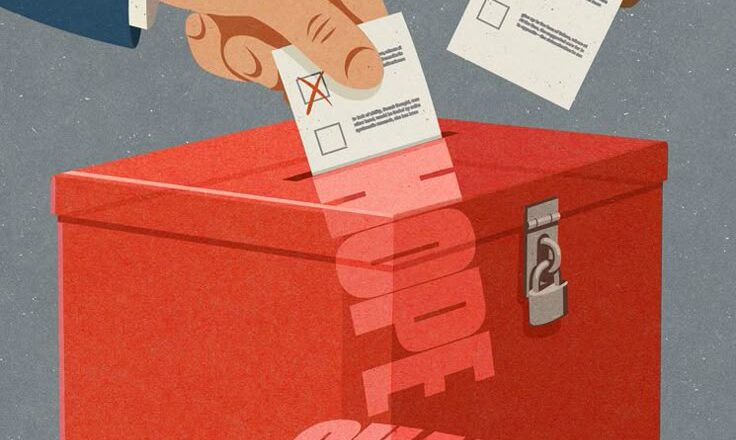
In an age of endless scrolling and algorithm-driven headlines, choosing where to direct your attention is a deeply political act. Every click, share, or moment of silence sends a signal about what you value—and what you’re willing to ignore. Politics today isn’t just shaped in legislatures; it’s forged in the quiet choices we make about what stories we believe, whose voices we amplify, and which injustices we refuse to look away from.
Misinformation, polarization, and digital fatigue have made many people withdraw from public discourse. But disengagement, however understandable, often benefits those in power. Real democracy thrives on informed, critical citizens—not passive consumers of content. That’s why reading beyond your feed, questioning sensational headlines, and seeking diverse perspectives aren’t just intellectual habits—they’re acts of civic courage.
What’s especially compelling now is how digital tools have turned everyday people into watchdogs, storytellers, and organizers. A smartphone video can expose corruption. A viral thread can shift public opinion overnight. And a well-placed comment in a local forum might inspire a neighbor to vote for the first time. Influence is no longer reserved for elites—it’s decentralized, personal, and immediate.
Yet, staying alert in a chaotic information ecosystem requires resilience. You don’t have to be “on” all the time. Rest is part of resistance. After a day of processing global events or engaging in tough conversations, comfort becomes essential. Slip into something gentle—like the thoughtfully designed pieces from the https://www.tooche.me/collections/vanuba/, where craftsmanship meets calm.
Paying attention may seem small, but in a world that profits from distraction, it’s revolutionary. Because democracy doesn’t just need voters—it needs witnesses, questioners, and listeners. And that starts with you, right where you are.